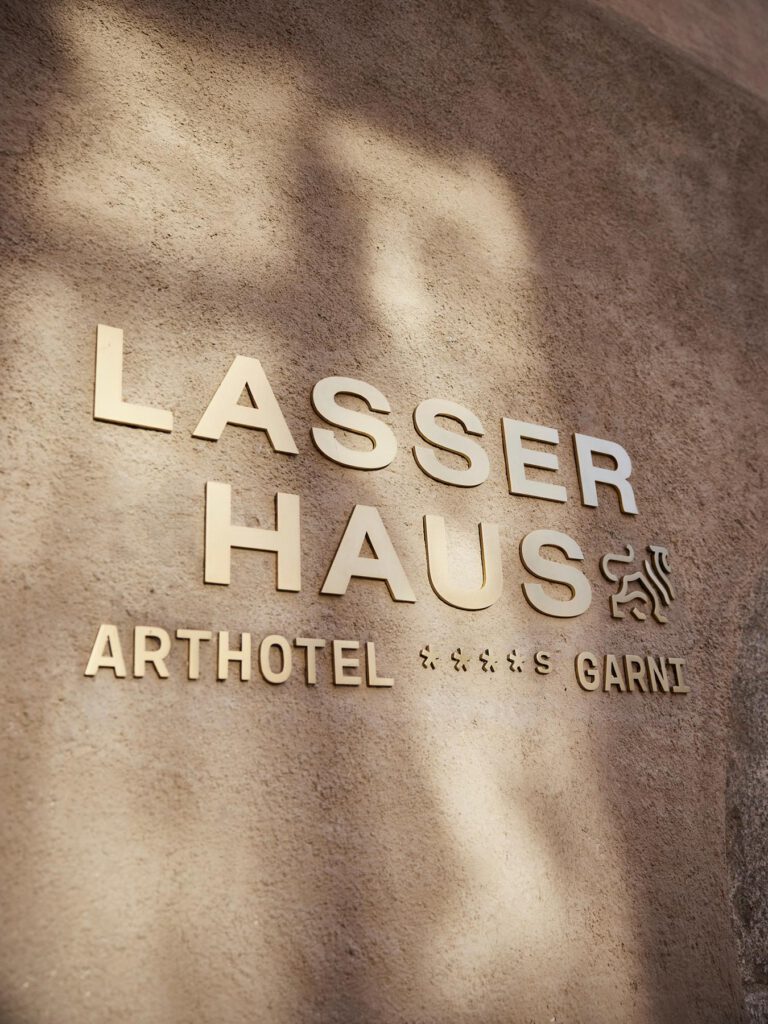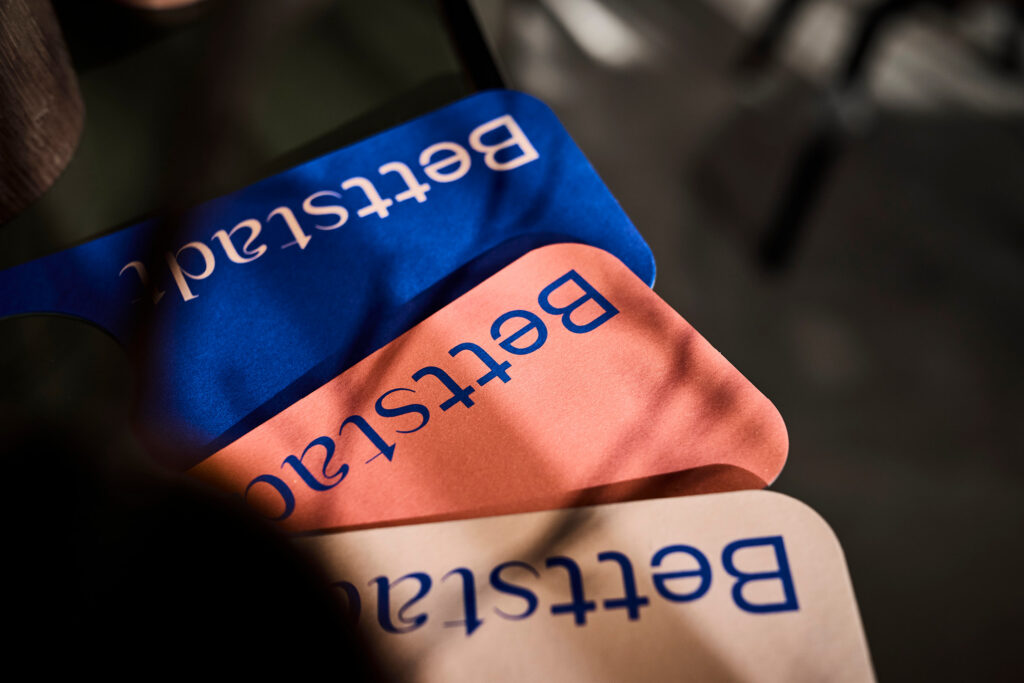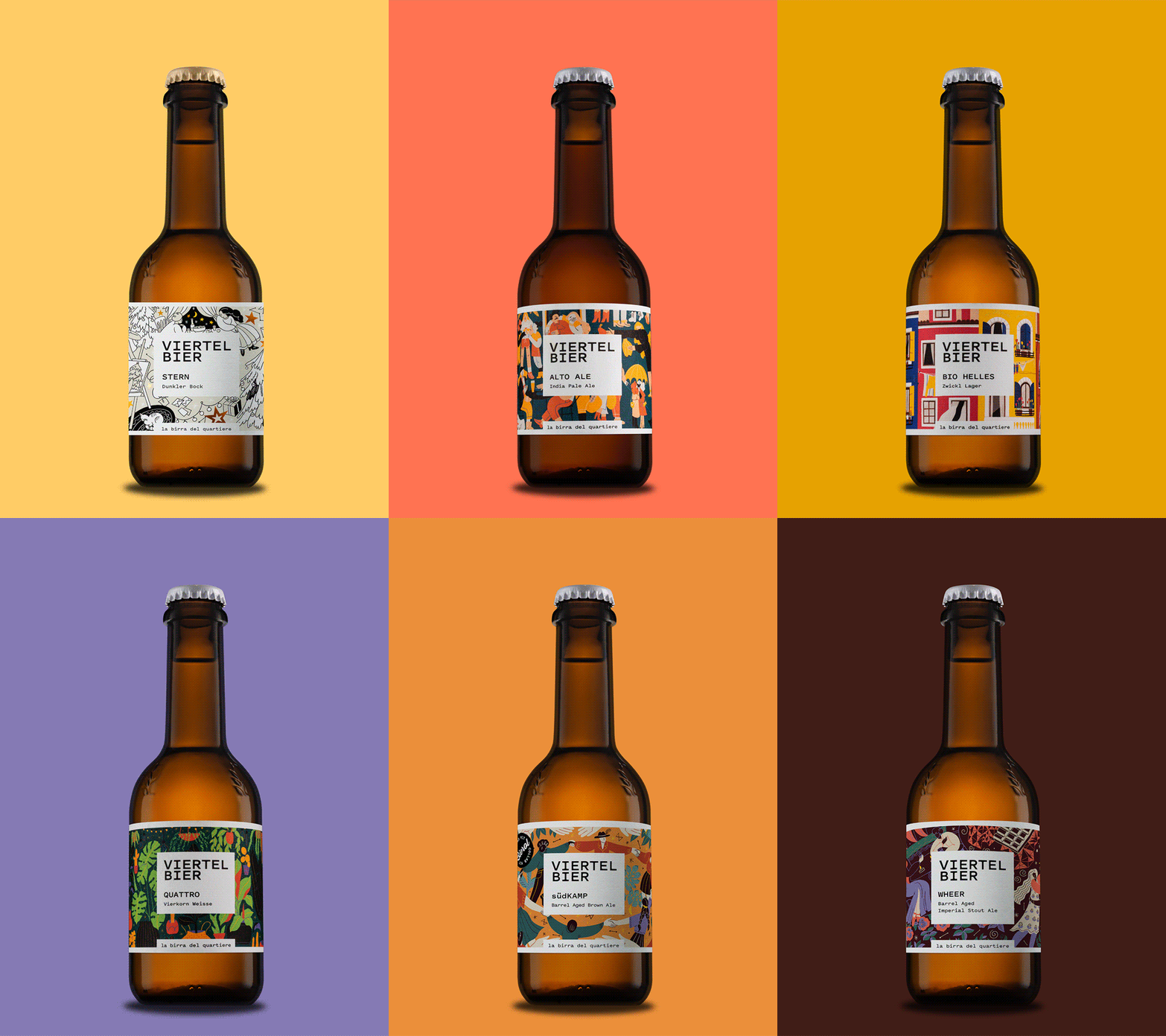
Which comes first? Actually, both. In practice, logo and corporate design are developed in parallel, as proportions, color palettes and typography all influence one another. That is exactly why we don’t think in sequences, but in combinations.
A lot happens in the mind at the beginning. We bring order to notes, materials and expectations and define what the visual identity has to achieve. References, terms and observations are held against one another until a direction becomes visible. That direction makes the drafts more precise and ensures the design can later carry through effortlessly.
The first draft is rarely “the solution” , it is more of a mirror. As soon as variations are placed side by side, it becomes clear where proportions tilt, where rhythm emerges and where the eye lingers. Typography and layout principles develop alongside it so the logo stands in the right visual environment from the very beginning.
At this stage, decisions shift from “almost” to “exactly this.” The mark is balanced optically, weights are refined and edges, curves and spacing are coordinated with precision. Corporate design also becomes more consistent in this step: hierarchies sharpen, color values are checked and typography is tested under real conditions.
In the final step, mark, type and color world are brought together into a system that can truly hold. Rules are recorded in a way that offers guidance and applications serve as references for everything that grows from there. The brand image remains consistent even as content changes and new formats are added.