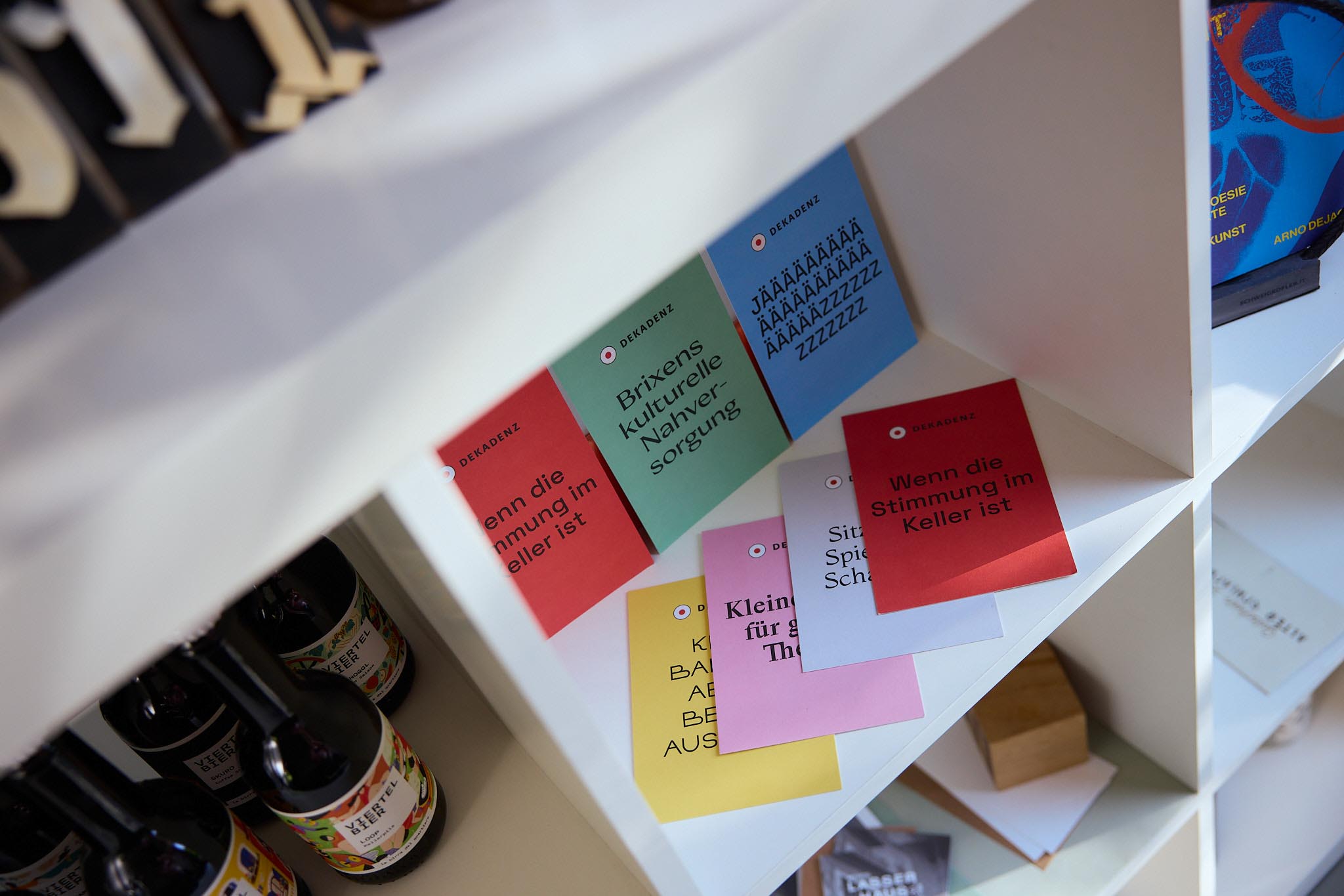

You’ve probably experienced this yourself. Sentences drifting through your mind, quick sketches and scribbles from conversations lying on your desk. Images and associations appear, somehow feeling right. Here and there a thought that makes sense, but others still out of place. It only takes… well, what exactly?
At the beginning of a project, this is often what it looks like for us. The start is rarely a blank slate. More often, there are already traces, ideas, favorite thoughts and loose ends waiting to be connected. Ideas rarely arrive neatly put together. At this stage, we don’t jump straight into design. We listen and take a closer look at what’s already on the table. Goals, intuition, constraints, internal voices, external expectations. At some point in the process, the questions emerge that begin to guide everything in a direction. What should actually come across in the end? For whom? In which moment? What is just noise that has built up over time?
Once these questions are answered, something quite liberating happens. Things begin to carry weight. Some grow stronger, others are allowed to become quieter and suddenly a direction starts to take shape, like a path you can follow. Then comes the part many tend to underestimate. The path is rarely straight. Traces fade, the route loops back on itself. You follow the path, try things out and quickly realize something is not quite working. The tone feels right, but the hierarchy still needs refinement. The layout holds, but in the final format it shifts. The imagery works, but the message remains unclear. You trace your steps back, not because you are lost, but because you are looking more closely. This is exactly where ideas begin to take form. Design becomes the natural consequence. Typography sets the pace, grids provide structure, color brings the mood. The visual language creates the first impression, long before anything is read. Once all these elements begin to work together, it suddenly feels effortless.
Then comes the reality check. The format, the application, the moment where design has to prove whether it only works on screen or also in everyday use. Website, brochure, poster, wayfinding, social templates and more. At this point, things are refined again, sometimes by millimeters, sometimes by entire sections. That’s what makes the difference.
In the end, it often looks as if everything just fell into place. But it rarely does. Sometimes it feels easy, other times it doesn’t. It is a path through a fog of thoughts, decisions, small steps back and the constant question: does this really match what we want to say?
That’s how ideas take shape.
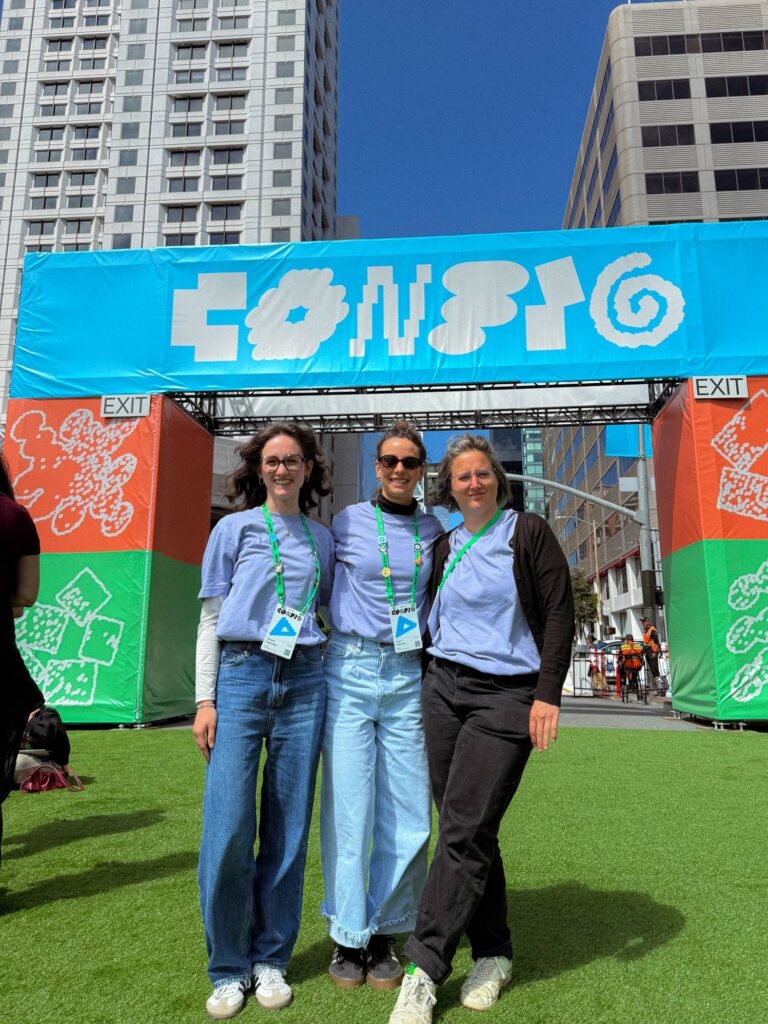
From redwood trees and racoons straight to the latest Figma features: Daniela, Greta and Marilena are bringing a ton of fresh input back home from Config 2026.
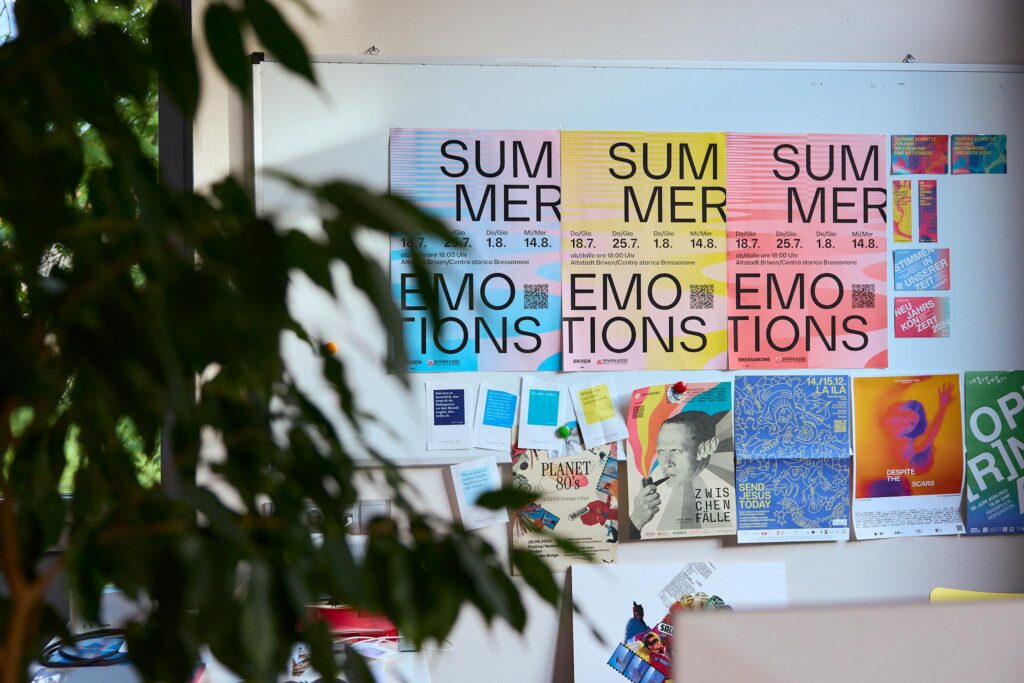
Every project has its own nature. From the outside, things often look simple and effortless, but there’s always much more behind it than it seems.
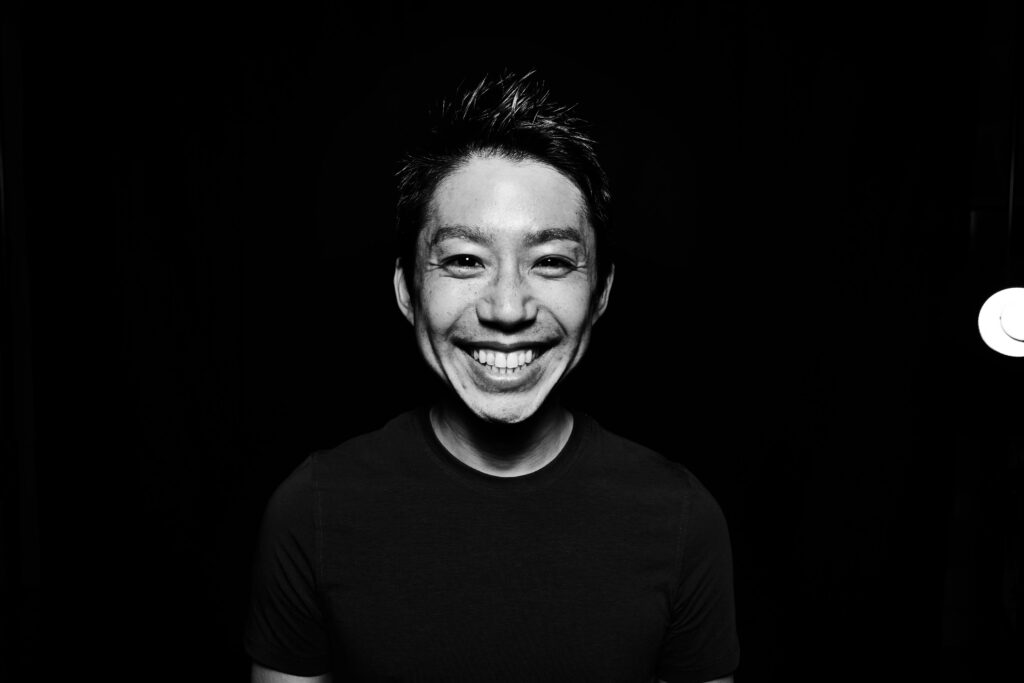
Images don’t wait for permission. They set the tone instantly , creating closeness or distance before a single word is even read.